
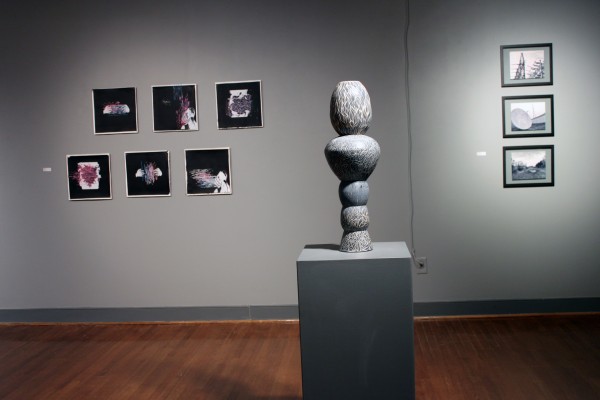
Ridderhof Martin Gallery
September 7 – October 13
Opening Reception September 7, 5-7pm
Featuring work by
Jillian Bruschera
Julia Goodman
Reni Gower
Trisha Oralie Martin
Melissa Potter
Marilyn Propp
Maggie Puckett
Ridderhof Martin Gallery
September 7 – October 13
Opening Reception September 7, 5-7pm
Featuring work by
Jillian Bruschera
Julia Goodman
Reni Gower
Trisha Oralie Martin
Melissa Potter
Marilyn Propp
Maggie Puckett

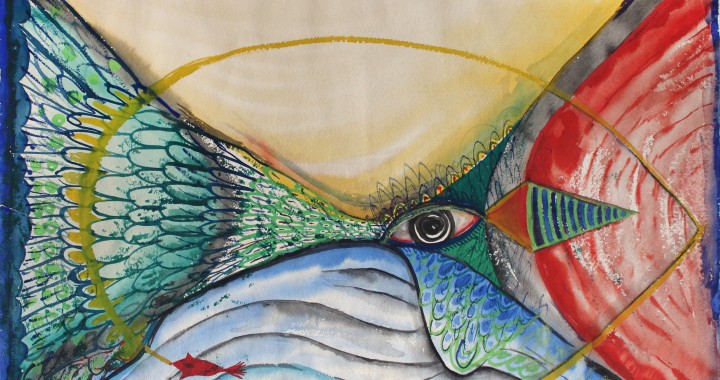
This exhibition examines a rich moment in American art through artist Margaret Sutton’s work and long career. Students in Professor of Art History Marjorie Och’s Laboratory in Museum Studies class are curating the exhibit in collaboration with the UMW Galleries.


Margaret Sutton, Untitled (Stage with eye, fish), ca. mid 1940s. Watercolor on paper, 50.3 x 63.4 cm. Gift of Alfred Levitt. University of Mary Washington Galleries, accession no. 1993.11.0055
The ASAE features a guest curated exhibition of UMW studio art students’ work. This year the guest juror is distinguished artist and Associate Professor of Art at University of Maryland, Hasan Elahi. Each year student artwork is purchased from the exhibition to become part of the UMW Galleries permanent art collection through the Melchers Gray Purchase Award. The recipient of this award will be announced at the Awards Ceremony on April 19th.
Melchers Gray Purchase Award: Emily Dabbs, Trophy Nights, 2017. Fabric, plaster, foam core, nail polish, paint.
Emil R. Schnellock Award for Excellence in Painting: Haleigh Fitzpatrick-Owen, Karen Cassine, 2017. Oil on canvas.
Ann Elizabeth Collins Memorial Art Award: Martha Keegan, Diamond Back & Sidewinder, 2017. Cotton, copper nails, bleach.
Award of Excellence: Emily Dabbs, Umbilical, 2017. Thread, fabric, pins, wood, plaster.
Award of Excellence: Lily Radolinski, I Forgot I Was Time Capsuled, 2017. Digital double exposed photograph.
Award of Excellence: Regine Eleazer, American Baggage, 2017. Stoneware.
Award of Excellence: May Shorten Townley, Pearls Before Swine, 2017. Ceramic.
Opening Reception:


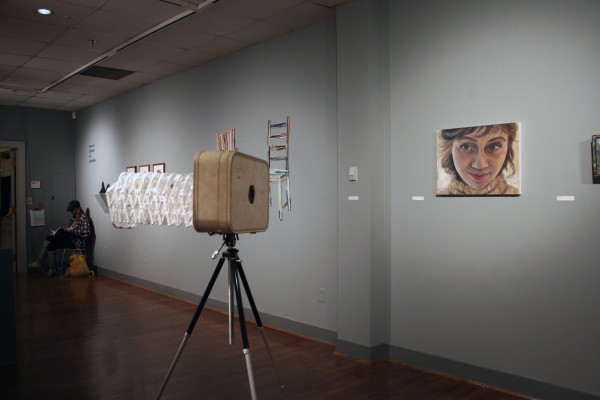


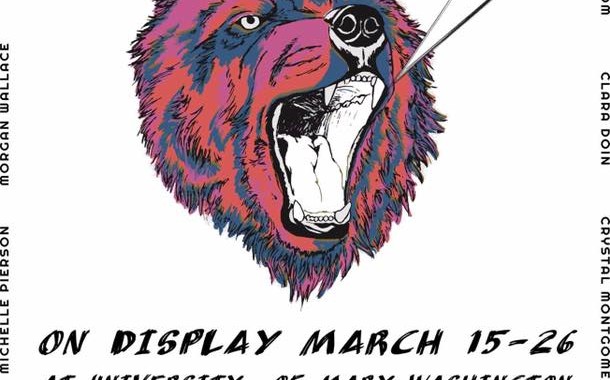
Featuring the work of UMW Studio Art Students: Catie Morton, Elisa Pritchard, Lauren Rauch, Olivia Gallagher, Zachary Norrbom, Clara Doin, Crystal Montgomery, Ellen Wilson, Isabel Soble, Margeaux Ducoing, May Townley, Megan Lee Crockett, Michael Evart, Michelle Pierson, Morgan Wallace, Evelyn Savaria, and Derek Kim.
Opening Reception
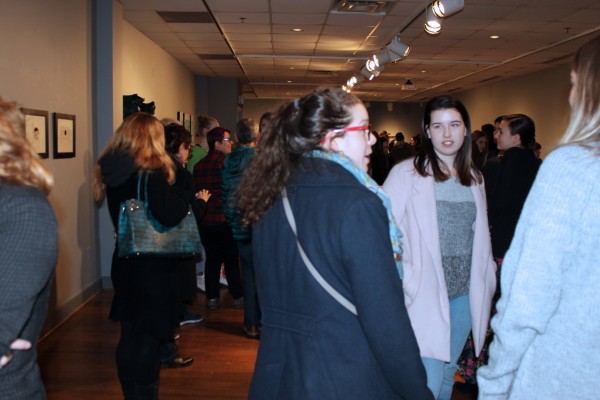
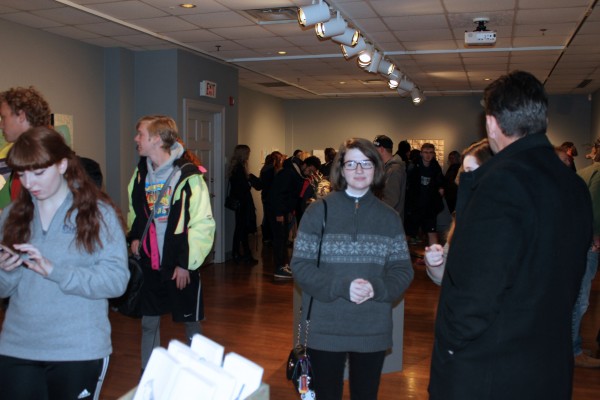
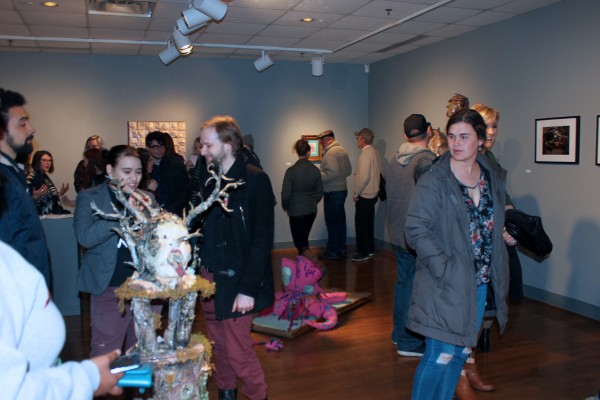
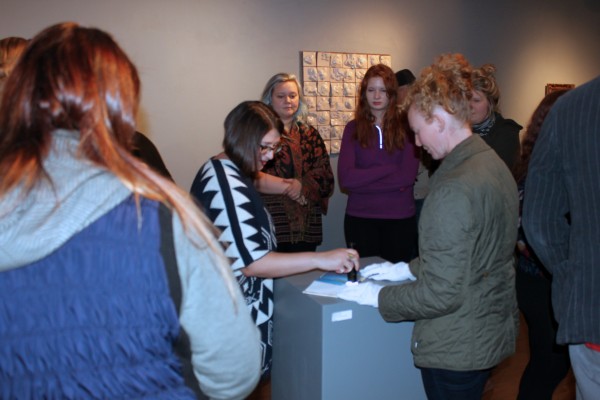
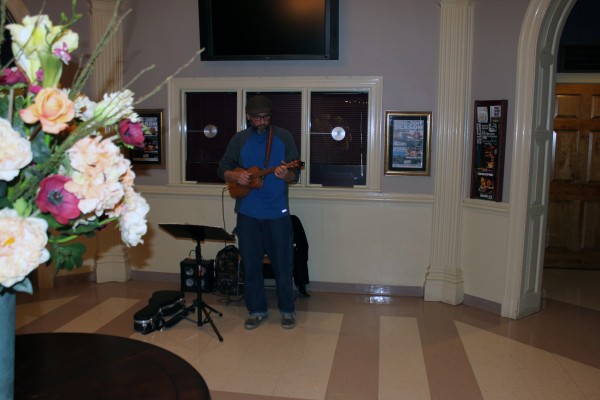
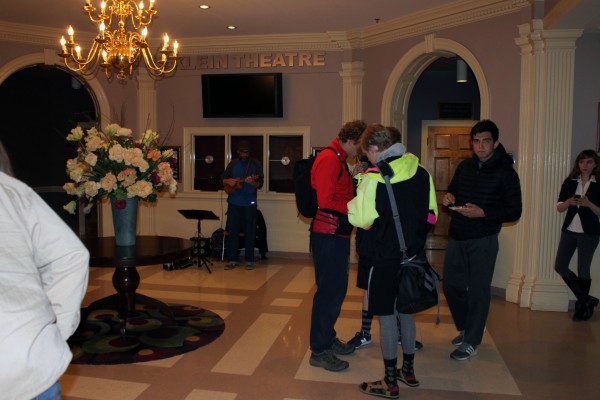
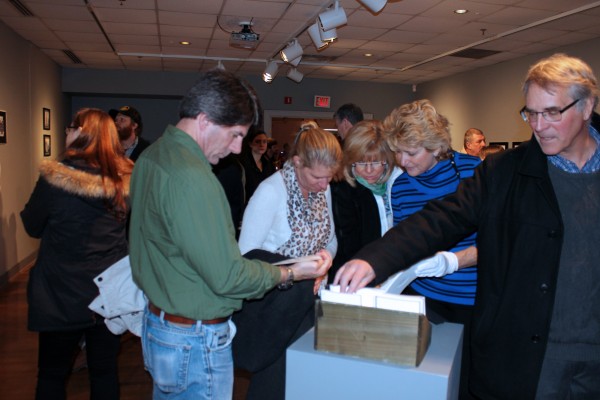
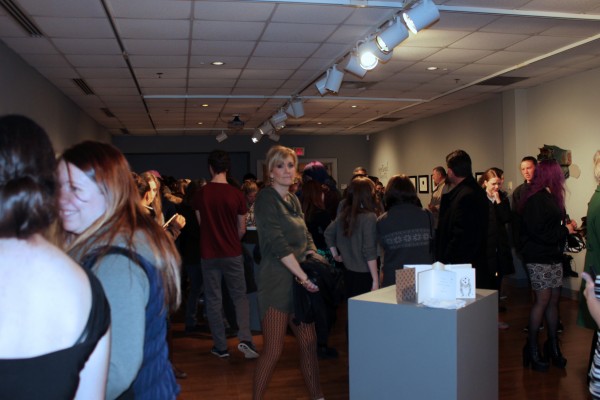
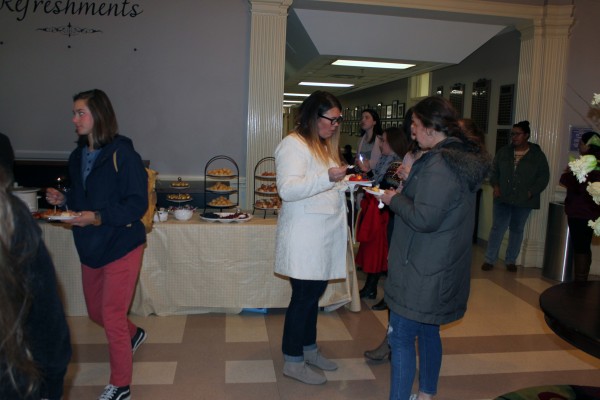
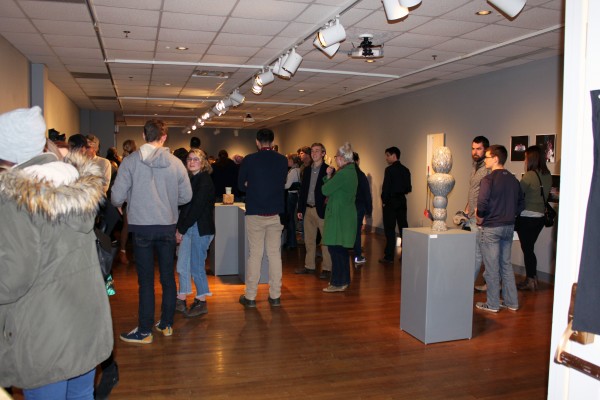
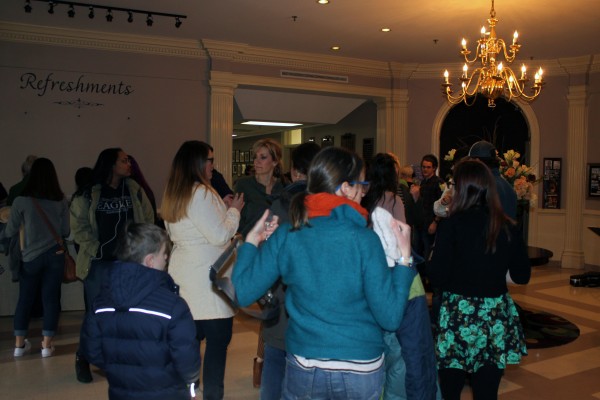
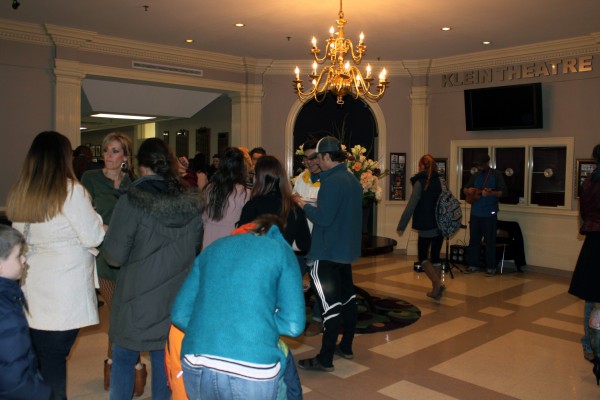
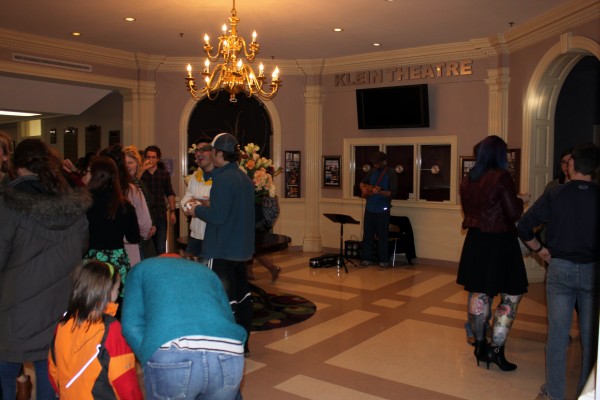
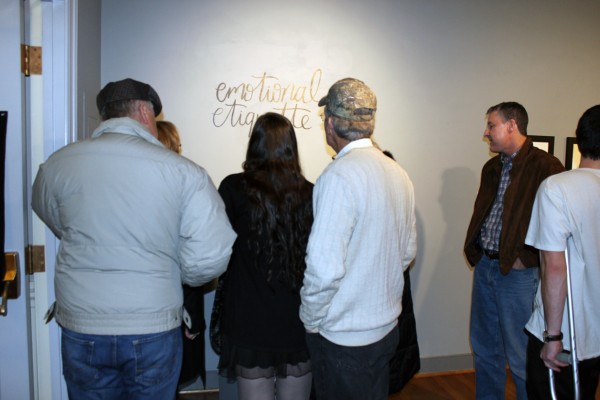
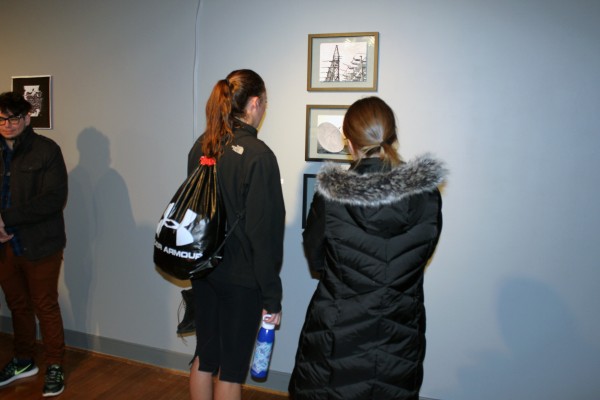
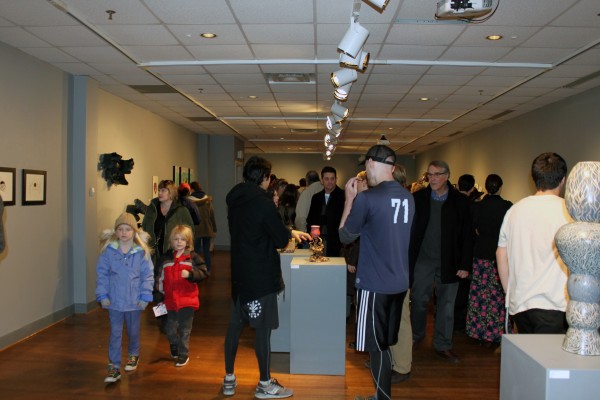
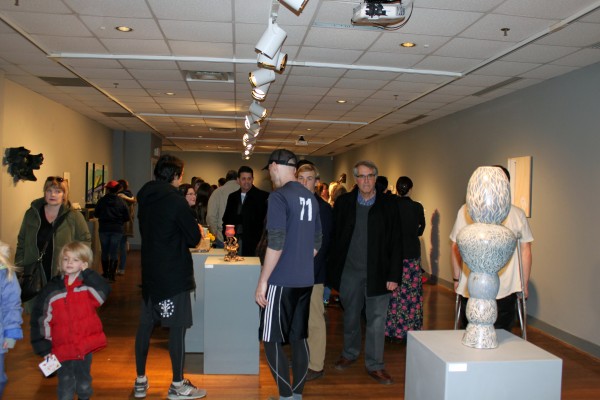
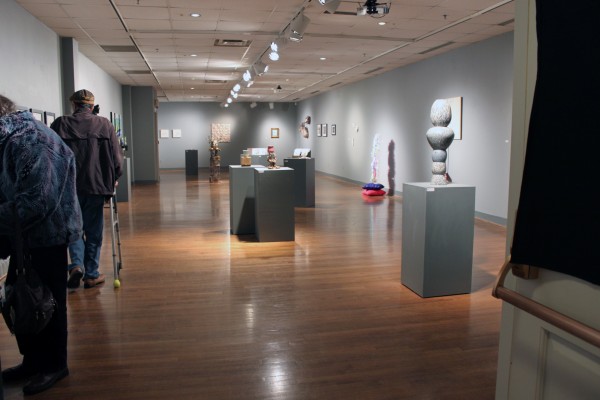
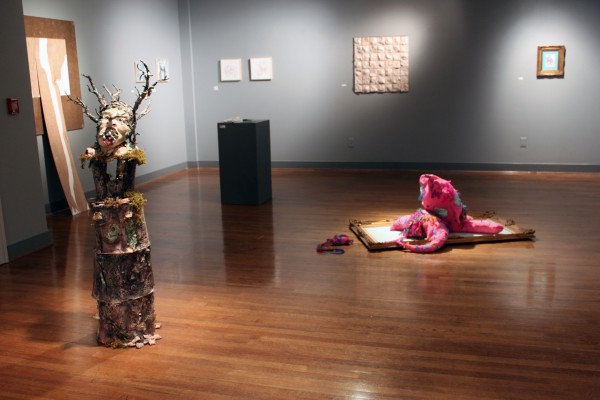
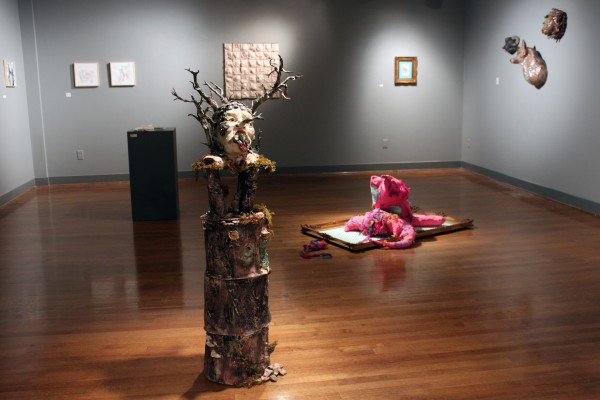
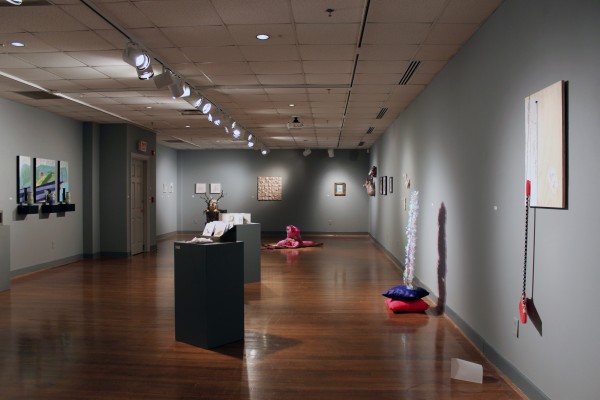
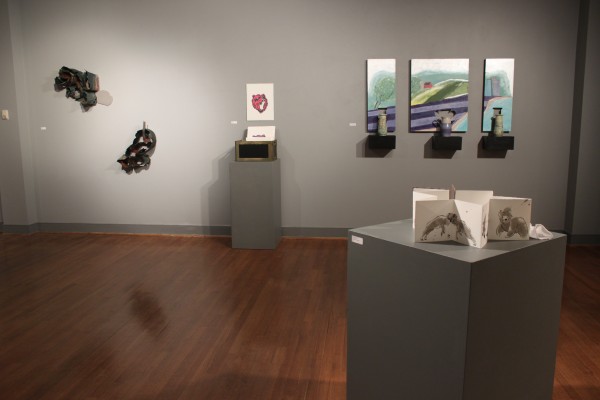
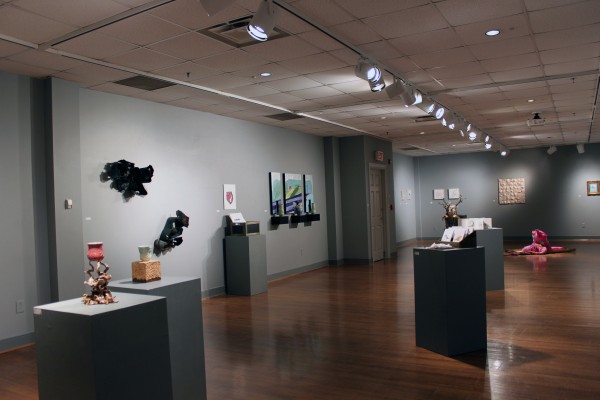
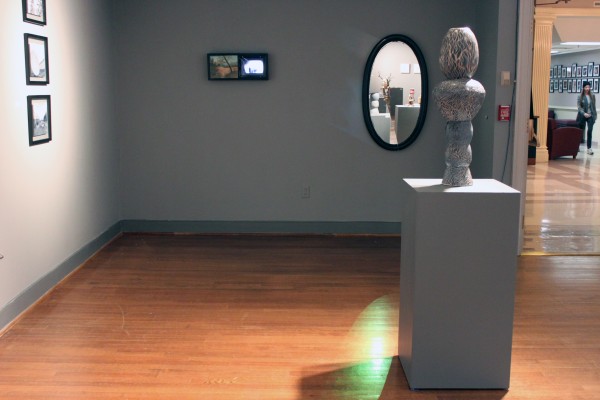
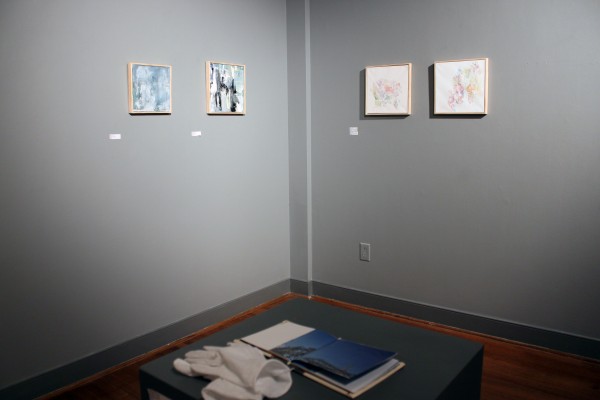
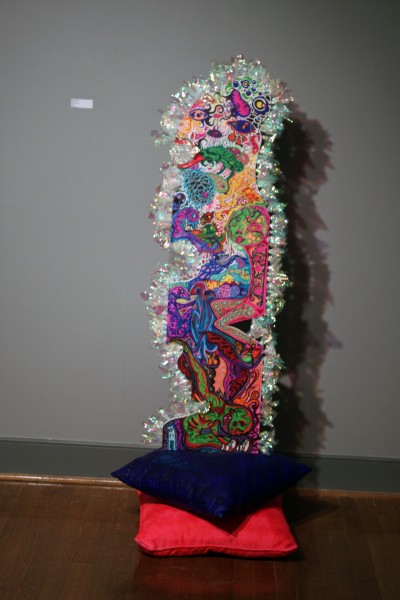

Opening Reception


Exhibition Statement
In my creative research, I find myself wedged in a space where gender matters tremendously and matters not very much at all.
Gender, agreed to be a social construct, regularly flirts with sexuality. They can be distinct from one another, but are usually involved. Both are serious subjects of study consistently under scrutiny and interrogation to understand what they really are; yet they operate on fluid spectrum(s) of ever-expanding lexicons and are celebrated for this inclusivity. Again, mattering to admit to not mattering at all. It is this very instability of their categories that produces such intrigue and pleasure for me as a maker. Driven by haptic obsession, it is through making that I try to understand them.
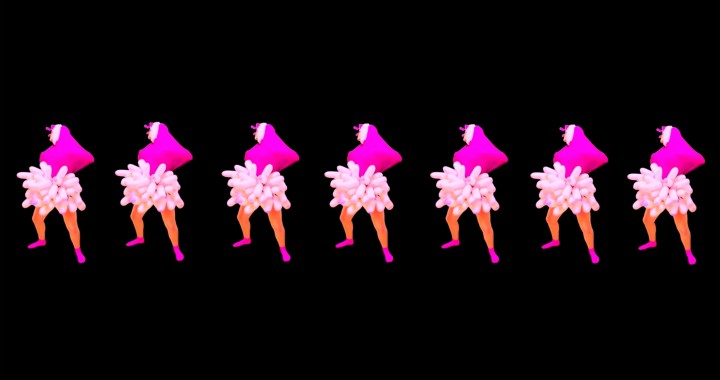
A Hot Smidge is an exhibition of video, projection, interactive objects and sculpture to ask what it means to woman – and to understand the narrow bandwidth in which it is performed despite its shifting reality.
Considering gender to be a stylized repetition of acts, I study how woman is looped in social space. In my work, I think about woman from a coming-of-age transition meaning that I focus on when bodies learn to repeat gestures that communicate gender. I employ materials, such as spandex leotards and fake fingernails that are introduced to young girls as they grow up. Withholding their cultural signifiers associated with to-be-woman, I merge these materials to interrupt existing codes and scripts. These combinations are then situated in space or on the body to be recorded for video to speculate how form and movement carry gender.
This exhibition is a visual playground to probe how gender exists – despite whether we tacitly agree or disagree that it does.
Artist Bio
Sidney Mullis lives and works in State College, PA. Her work has been exhibited in a number of locations including Berlin, Germany and Tokyo, Japan. She has had solo shows at the Leslie Lohman Museum of Gay and Lesbian Art (NYC), Future Tenant Gallery (Pittsburgh), and Lock Haven University. Recent group exhibitions include Trestle Gallery (NYC), Galleri Urbane (Dallas), pehrspace (LA), and Woman Made Gallery (Chicago). Sidney Mullis was the recipient of the Ox-Bow MFA Residency and a Creative Achievement Award from Penn State University. Sidney Mullis is represented by Galleri Urbane (Dallas, TX).
Mullis has taught Beginning Sculpture and 3D Foundations at Penn State conveying the impact objects can have in space and assisting students to navigate this within their own work. She is currently the program coordinator of the John M. Anderson Endowed Lecture Series, the visiting artist program at Penn State. She is a studio assistant to ecoartist Stacy Levy, as well as a contributing writer for Maake Magazine.

Sidney Mullis, Wiggle Biddy Brigade, (video projection).


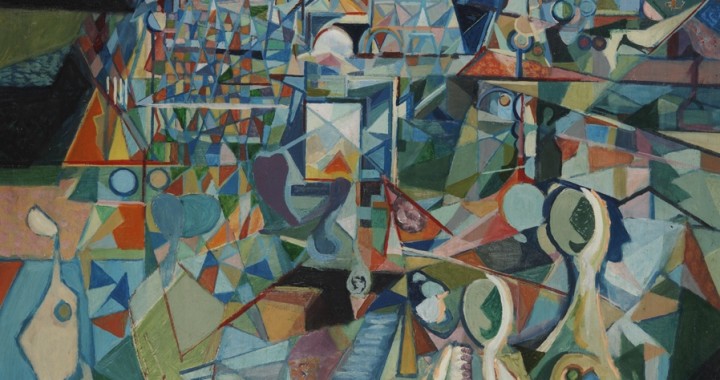
Drawn from the KIA collection, this exhibition includes works by American modernists including Stuart Davis, Marsden Hartley, John Marin, Charles Sheeler, Max Weber and others. Responding to the artistic developments in Europe, these artists sought new ways to picture the rapidly changing times of the early 20th century.
The Modernist dictate was to “make it new,” to look beyond appearances for an essential truth in things. Honest, forthright expression was a longstanding American artistic tradition, and American Modernists felt even the most ordinary things could be transformed through fresh eyes and the imagination. Marsden Hartley’s Fruit Basket is anything but a “still life.” After reducing its contents to what he perceived as their essence, they emerge as powerful forms surrounded by surging energy—more reminiscent of rocks and waves than a basket of fruit.
The American landscape—both urban and natural—inspired many artists. The rising skyscrapers of New York and the rocky coast of Maine equally obsessed John Marin. In New England seaport towns, Stuart Davis discovered the fascinating structures of ships and wharfs framed by the expanse of sea and sky. For artists such as Miklos Suba and Charles Sheeler, it was the clean, modern forms of industry that suggested a new abstract beauty on a vast scale—the American equivalent to Greek temples and Gothic cathedrals.
Perhaps Yankee rugged individualism and a love of the nuts-and-bolts aspect of reality are the qualities that most distinguish American artists from their European contemporaries. “Put off intellect and put on imagination,” wrote Marsden Hartley. Rediscovering and reaffirming the experience of an emerging nation, these artists brought an American perspective to the Modernist imperative to “make it new.”

Francis Littna, Metropolis, 1959. Oil on board. Canvas 25 3/4 x 23 inches (65.4 x 58.4 cm) overall: 26 x 23 x 2 inches. Gift of the Friends of Victoria and Francis Littna. Kalamazoo Institute of Arts. 1981/2.69.


